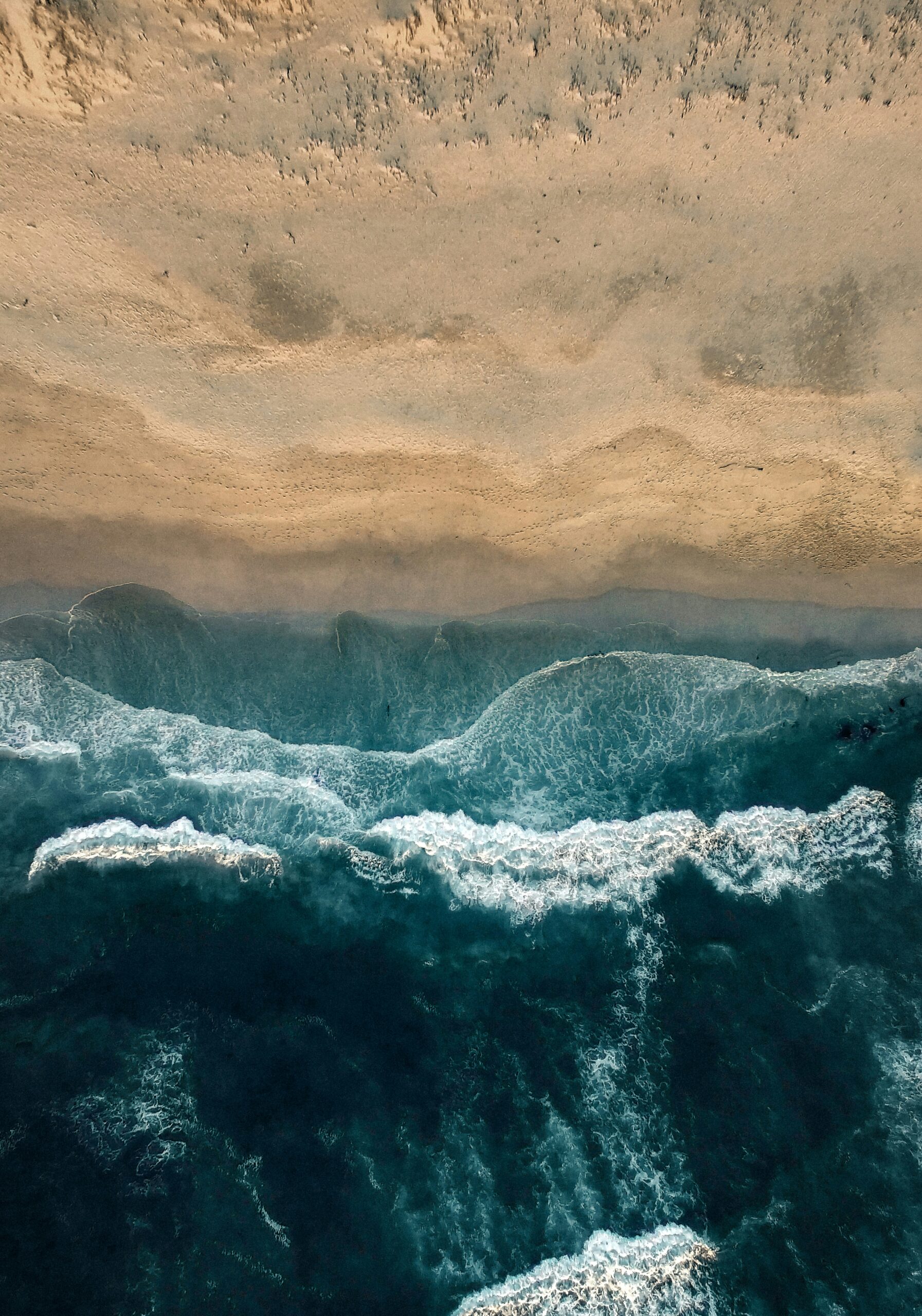
As someone who has spent much of my career designing offshore systems and monitoring ocean environments, I have seen firsthand how the rising tide affects both industry and communities. Yet one thing surprises me time and again. Many coastal homeowners do not fully understand how dynamic and powerful the shoreline really is. Living near the ocean is a privilege, but it also comes with responsibilities that are often underestimated.
Nova Scotia, where I live and work, is a region with a long history of maritime life. Families have built homes along the coast for generations, often relying on the same shoreline patterns they remember from childhood. But tides, storms, and climate change are altering these patterns faster than many expect. The good news is that homeowners can take steps to protect their property and the coastline if they understand the forces at play.
Understanding What Rising Tides Really Mean
One common misconception is that the ocean rises uniformly and gradually. In reality, sea level rise interacts with tides, storm surges, and even local erosion patterns to create highly variable effects. A house that seems safe one year may be at risk the next if shoreline dynamics are not considered.
Offshore engineers often see structures fail because homeowners and developers underestimate these shifting conditions. Bulkheads, retaining walls, and jetties may seem like solutions, but without careful planning, they can sometimes worsen erosion or create new vulnerabilities down the coast. Understanding the interplay between human-built structures and natural shoreline movement is crucial.
Preparing for Storm Surges and Extreme Events
Storm surges are another area where misconceptions abound. Many people assume that large waves only affect the beach and that their homes, set back a bit from the shore, are safe. In reality, storm surges can push water far inland, flooding areas that were previously considered secure.
Simple steps can make a big difference. Elevating critical systems such as electrical panels, installing flood-resistant materials, and landscaping to redirect water flow can all help reduce damage. It is not about building a fortress but about designing homes and properties to live with the water rather than against it.
The Role of Natural Barriers
Homeowners often overlook the value of natural coastal features. Dunes, marshes, and native vegetation act as first lines of defense against erosion and flooding. These natural systems absorb wave energy, slow runoff, and provide habitats for wildlife. Removing or altering them for convenience or aesthetics may seem harmless, but it can accelerate property damage and degrade the local ecosystem.
In my work with offshore structures, I have learned that integrating human design with natural systems produces the most resilient outcomes. The same principle applies to coastal homes. Planting native grasses, maintaining healthy dunes, and avoiding hard-armored solutions where possible can reduce risk while supporting biodiversity.
Myths About “Hard” Coastal Protection
Many homeowners believe that seawalls or bulkheads offer permanent protection. While these structures can be necessary in some situations, they are not foolproof. Over time, they can trap sand, increase erosion at the base of the wall, and create hazards for neighbors. Engineers know that soft solutions, like living shorelines, often provide better long-term resilience. These methods use rocks, plants, and natural contours to stabilize the coast, providing flexibility and adaptability that rigid structures cannot.
Another common myth is that raising the home itself solves all problems. Elevation is useful, but it does not eliminate the risks of wave impact, erosion of access roads, or saltwater intrusion into wells and septic systems. A comprehensive approach considers all these factors together, not just one isolated fix.
Practical Steps Homeowners Can Take
For coastal homeowners, knowledge is the first line of defense. Understanding local tide patterns, storm surge history, and shoreline change trends is essential. Many communities offer resources or consulting services for assessing property risk. Engaging with experts early can save both money and stress down the line.
Beyond assessments, homeowners can take concrete steps to protect their property. Maintaining natural buffers, using flood-resistant building materials, and planning landscaping to divert water all contribute to resilience. Small actions, like regularly clearing drainage channels and securing outdoor structures, also make a difference when storms hit.
Seeing the Shoreline Differently
Living on the coast is a unique experience, full of beauty, wonder, and occasional frustration. As an offshore engineer, I have spent decades analyzing waves, tides, and currents. What I wish every homeowner knew is that the ocean is never static. Understanding its behavior and respecting its power is not about fear. It is about making informed decisions that protect both property and community.
When homeowners start seeing their shoreline not just as a view but as a dynamic system, they gain the ability to act wisely. Protecting a coastal home is not about resisting nature. It is about cooperating with it, learning from it, and planning ahead. These lessons, simple in principle yet profound in practice, can ensure that families continue to enjoy the coast for generations.
A Future With Knowledge and Resilience
Ultimately, rising tides are not just a threat; they are a call to awareness. Homeowners who understand what engineers see in the data and in the field can turn that awareness into action. It may involve redesigning a property, embracing natural solutions, or simply paying closer attention to weather patterns and tide charts.
For those of us who live and work along the ocean, the goal is clear. We want communities that can thrive alongside the water while minimizing risk. By sharing knowledge, debunking myths, and embracing practical solutions, coastal homeowners can enjoy the beauty of the sea without being caught off guard by its power.
Understanding the ocean is not just the responsibility of engineers or policymakers. It belongs to everyone who calls the coast home. By learning, adapting, and respecting the forces that shape the shoreline, we can all contribute to a safer, more resilient coastal world.